Get Vapor Barrier Installation in Seattle, WA
Vapor barrier installation services help Seattle-area property owners prevent moisture problems, mold, and structural damage in basements, crawl spaces, and new construction projects.
Vapor barrier installation is an important step in protecting properties from moisture-related issues, especially in the damp climate of Seattle, WA. Property owners considering renovation or new construction often explore vapor barriers to enhance indoor air quality, prevent mold growth, and improve overall building durability. Whether planning a basement upgrade, crawl space improvement, or foundation project, understanding the options available and comparing local service providers can help ensure the right solutions are chosen for specific needs.
For those looking to move forward with vapor barrier work, connecting with experienced local contractors can provide valuable insights into best practices and materials suited to the region’s conditions. Property owners are encouraged to review their options and gather information to make informed decisions about installation services. Continuing to explore available local solutions helps ensure the project aligns with the unique requirements of properties in the Seattle area.
- Basement Renovations - when moisture issues threaten the integrity of your finished basement in neighborhoods like Ballard or West Seattle.
- New Construction Projects - during the framing phase of residential or commercial builds in the Seattle area that require a vapor barrier.
- Foundation Waterproofing - when preventing water infiltration is essential for homes in flood-prone or high-water table locations around Puget Sound.
- Garage Conversions - when converting a garage into living space and needing to control moisture and vapor transmission.
- Commercial Property Upgrades - for businesses in industrial or retail spaces in the greater Seattle region that require effective vapor barriers for proper insulation.
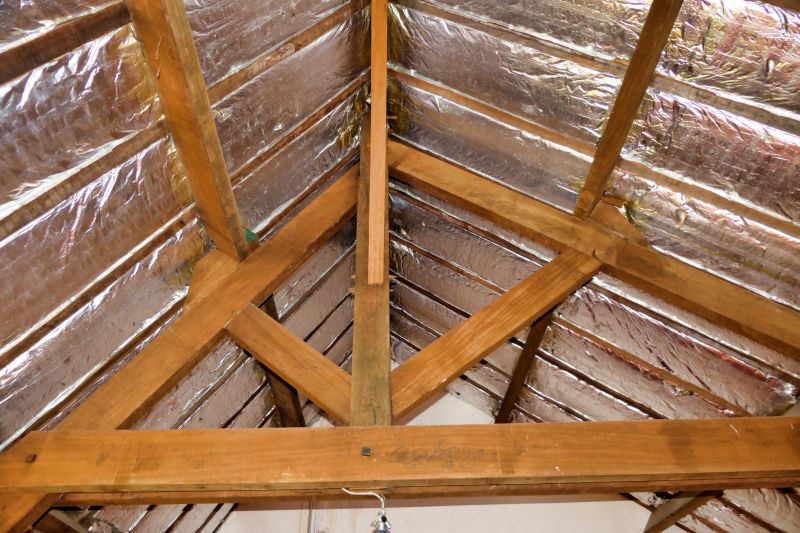
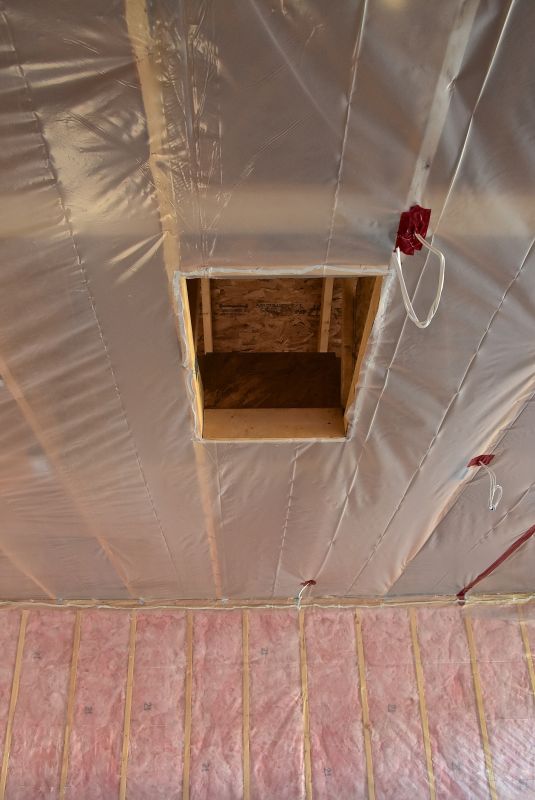
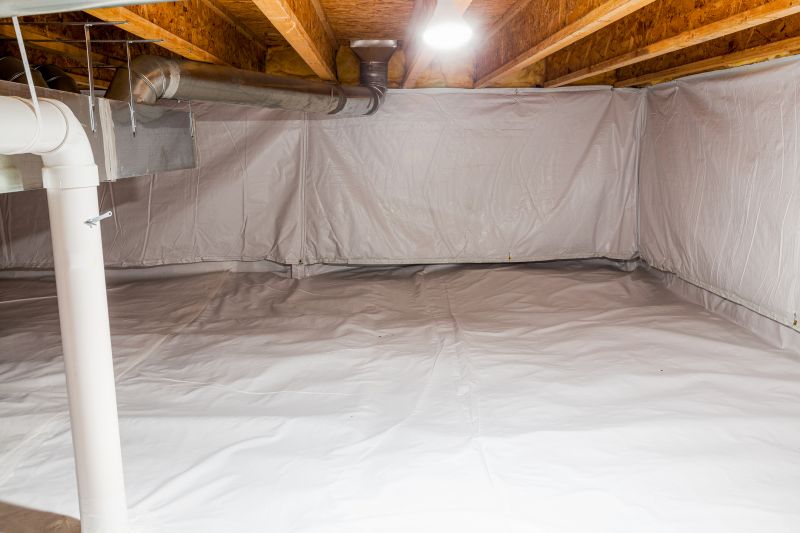
Vapor barrier installation involves placing a specialized membrane or sheet material within walls, floors, or ceilings to prevent moisture from passing through. This service is essential for controlling humidity levels and protecting building structures from water intrusion. Proper installation helps keep indoor environments dry and comfortable, reducing the risk of mold growth, wood rot, and damage to insulation. Local contractors utilize various vapor barrier materials suited for different areas of a property, ensuring the barrier functions effectively over time.
This service addresses common problems related to excess moisture and condensation, which can compromise the integrity of a home or commercial building. In areas like basements, crawl spaces, or attics-where moisture tends to accumulate-vapor barriers serve as a critical line of defense. They help prevent dampness that can lead to musty odors, peeling paint, or warped flooring. Installing a vapor barrier can also improve indoor air quality by limiting mold spores and other allergens associated with moisture problems.
Vapor barrier installation is frequently recommended for properties in regions with high humidity or frequent rainfall, such as the Pacific Northwest. Homes, apartments, and commercial buildings with basements, crawl spaces, or poorly ventilated areas often benefit from this service. It is especially useful during renovations or new construction projects, where proper moisture control measures are essential for long-term durability. Property owners who notice signs of dampness, mold, or mustiness may also find vapor barrier installation to be a practical solution.
Many types of properties rely on vapor barrier installation to maintain structural integrity and indoor comfort. Residential homes, especially those with basements or crawl spaces, often use vapor barriers as part of their moisture management strategy. Commercial buildings, warehouses, and storage facilities also benefit from this service to protect goods and infrastructure. Contacting experienced local contractors can help determine the appropriate type and placement of vapor barriers tailored to specific property needs, ensuring effective moisture control and enhanced durability.
The overview below groups typical Vapor Barrier Installation projects into broad ranges so you can see how smaller, mid-sized, and larger jobs often compare in Seattle, WA.
In many markets, a large share of routine jobs stays in the lower and middle ranges, while only a smaller percentage of projects moves into the highest bands when the work is more complex or site conditions are harder than average.
Smaller Repairs - For minor vapor barrier repairs or patching, local contractors typically charge between $250 and $600. Many routine jobs fall within this range, especially for straightforward fixes in residential settings. Larger or more complex repairs may cost more, depending on the scope.
Partial Installation - Installing vapor barriers in specific areas such as crawl spaces or basements usually ranges from $1,000 to $3,000. Most projects in this category land in the middle of this range, with fewer reaching the higher end for larger spaces or added features.
Full Replacement - Complete vapor barrier replacement for an entire basement or crawl space can cost between $3,500 and $8,000. Larger, more involved projects tend to be toward the top of this range, but typical replacements often fall in the middle.
Custom or Complex Projects - Custom installations or projects involving additional moisture control measures can exceed $8,000, with some reaching $12,000+ depending on size and complexity. These projects are less common and usually involve extensive work or specialized materials.
Actual totals will depend on details like access to the work area, the scope of the project, and the materials selected, so use these as general starting points rather than exact figures.
Basement Waterproofing - involves installing vapor barriers to prevent moisture intrusion, requiring similar planning and sealing skills as vapor barrier installation.
Crawl Space Encapsulation - requires applying vapor barriers to control humidity and improve air quality, utilizing comparable materials and techniques.
Foundation Waterproofing - includes moisture management strategies that often involve vapor barriers to protect structures from water damage.
Insulation Installation - often paired with vapor barrier placement to enhance energy efficiency and prevent moisture buildup inside walls or floors.
Concrete Slab Preparation - involves moisture control measures, such as vapor barriers, to ensure proper curing and prevent future moisture issues.
Attic Insulation and Sealing - requires sealing and moisture control techniques similar to those used in vapor barrier installation for attics and roof spaces.
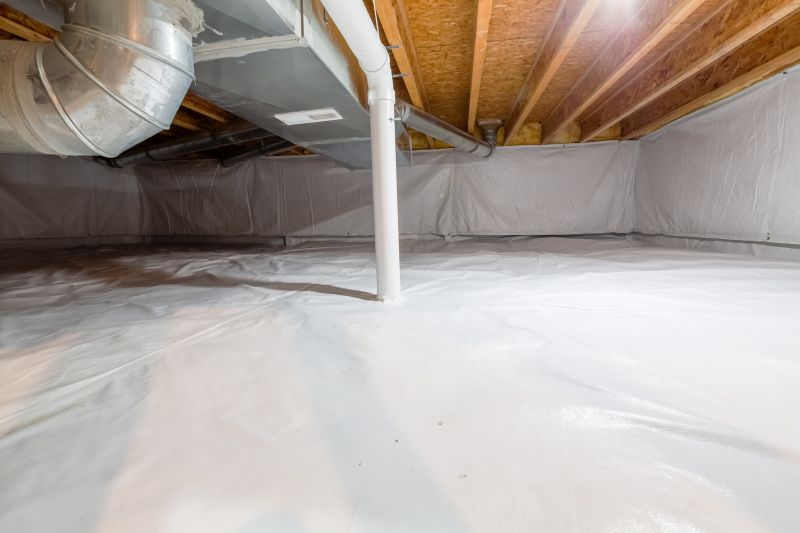
When comparing contractors for vapor barrier installation, it’s important to consider their experience with similar projects in the Seattle area. Homeowners should look for service providers who have a proven track record of handling vapor barrier work in environments comparable to their own, whether that involves basements, crawl spaces, or other areas prone to moisture issues. Asking for details about past projects can help gauge whether a contractor has the necessary expertise to address specific challenges effectively and ensure the work is done properly the first time.
Clear, written expectations are essential when evaluating local contractors. Homeowners should seek service providers who can provide detailed descriptions of the scope of work, materials to be used, and the process involved. This clarity helps prevent misunderstandings and ensures that both parties are aligned on what will be done. Having a transparent outline of the project can also serve as a reference throughout the work, making it easier to address questions or concerns that may arise along the way.
Reputable references and effective communication are key indicators of a reliable vapor barrier installer. Homeowners are encouraged to ask potential service providers for references from previous clients, especially those who had similar projects completed. Good communication throughout the process-such as responsiveness to questions and willingness to explain options-can make the experience smoother and more predictable. Since this site introduces homeowners to local options rather than performing the work itself, selecting a contractor with a strong reputation and clear communication practices can help ensure a successful and satisfactory vapor barrier installation.
Property owners in Seattle, WA use Vapor Barrier Installation services for practical projects around their homes and businesses. This guide focuses on everyday jobs and straightforward project options.
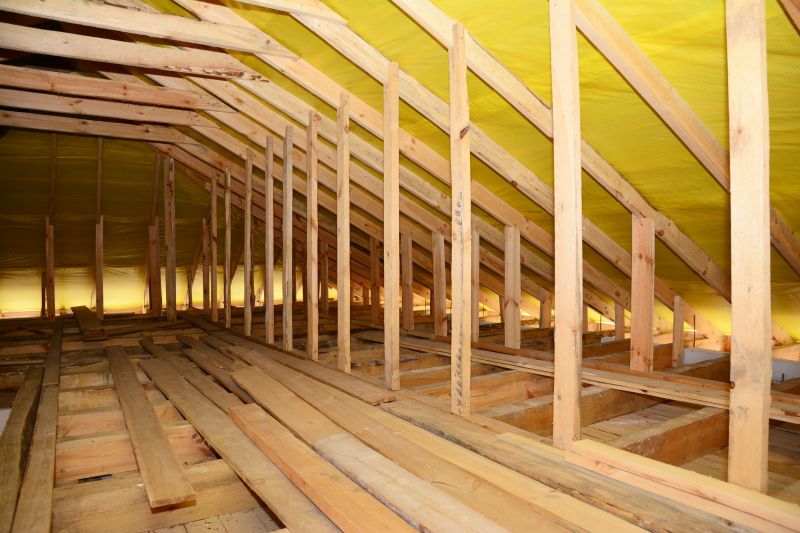
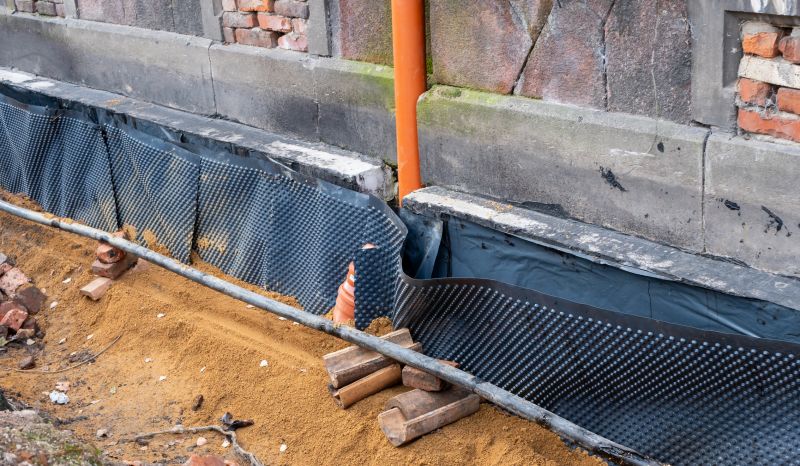
Vapor barrier installation is a common need for property owners in Seattle, WA, especially when dealing with moisture issues in basements, crawl spaces, or below-grade areas. Homeowners may seek these services to prevent mold growth, reduce humidity, or improve indoor air quality, particularly in regions with high rainfall and damp conditions. Local contractors can assess specific property needs and install effective vapor barriers to help maintain a healthier and more comfortable living environment.
In addition, property owners often look for vapor barrier solutions when preparing for renovations or addressing existing water intrusion problems. Whether upgrading insulation or ensuring a dry foundation, local service providers are equipped to handle installations that protect structures from moisture damage. Connecting with experienced contractors can help ensure that vapor barriers are properly installed, supporting the longevity and stability of homes and commercial buildings in the Seattle area.
What is a vapor barrier and why is it important? A vapor barrier is a material installed to prevent moisture from passing through walls, floors, or ceilings, helping to reduce mold and structural damage in buildings.
Where are vapor barriers typically installed? Vapor barriers are commonly installed in basements, crawl spaces, and underneath concrete slabs to control moisture levels and improve indoor air quality.
How do I know if my property needs a vapor barrier? Local contractors can assess moisture issues and determine if a vapor barrier is suitable based on the building’s location, construction type, and existing moisture problems.
What materials are used for vapor barrier installation? Common materials include polyethylene plastic sheeting and foil-backed membranes, which are selected based on the specific application and environmental conditions.
Can vapor barriers be installed in existing buildings? Yes, experienced service providers can install vapor barriers in existing structures to help manage moisture and improve building durability.
Moisture Control - Installing a vapor barrier can help prevent moisture buildup in basements and crawl spaces, protecting the property from mold and structural damage.
Energy Efficiency - Proper vapor barrier installation can improve insulation performance, leading to better energy conservation in residential and commercial buildings.
Foundation Protection - Service providers can help safeguard foundations from water damage by installing vapor barriers in areas prone to excess ground moisture.
Renovation Projects - When remodeling or finishing a basement, local contractors can install vapor barriers to create a healthier, more stable environment.
If you are thinking about Vapor Barrier Installation for a property in Seattle, WA, this guide is meant to help you understand the work, the typical project types, and how different options might fit your plans.
When you are ready, you can use the quote form on this page to share a few details about your project. From there, local pros can review the basics and respond with options that match what you have in mind.